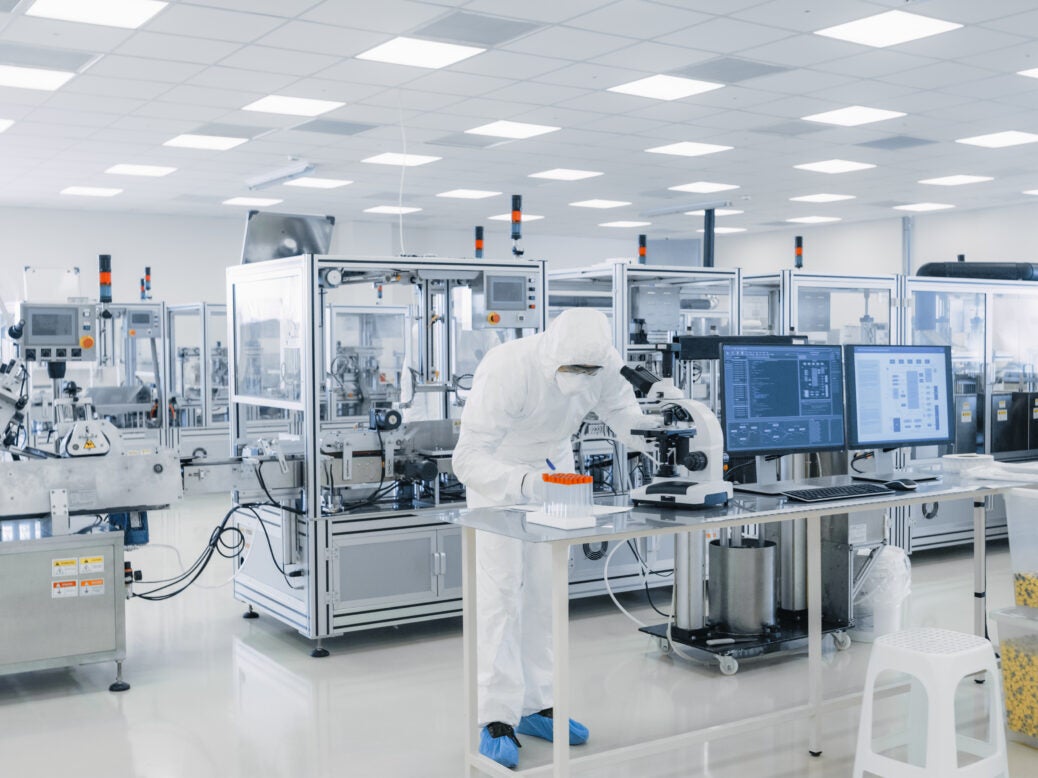

The pharmaceutical and healthcare industry has undergone a remarkable transformation over the past few years, driven by rapid technological advancements, evolving regulatory requirements, and growing patient expectations. Digital technologies are no longer optional—they have become the foundation for improving operational efficiency, accelerating innovation, and ensuring compliance across the pharmaceutical value chain.
While the COVID-19 pandemic accelerated digital adoption across the industry, the pharmaceutical sector has now entered a new phase focused on artificial intelligence (AI), data-driven decision-making, automation, cloud technologies, and connected manufacturing. These advancements are enabling pharmaceutical companies to develop medicines faster, improve product quality, optimize supply chains, and deliver more personalized healthcare solutions.
Today, pharmaceutical organizations are investing heavily in digital transformation initiatives to enhance research and development, manufacturing, quality management, regulatory compliance, inventory control, and patient engagement. Digitalization has become a strategic necessity for organizations seeking to remain competitive in an increasingly complex global market.
Why Digital Transformation Has Become Essential
Several key factors have accelerated digital transformation across the pharmaceutical industry:
- Increasing demand for faster drug development
- Growing complexity of global regulatory requirements
- Rising adoption of personalized and precision medicine
- Expansion of biologics, cell and gene therapies
- Supply chain disruptions and geopolitical uncertainties
- Growing importance of data integrity and cybersecurity
- Adoption of Industry 4.0 and smart manufacturing technologies
- Sustainability and ESG initiatives
- Rising patient expectations for digital healthcare services
Smart Manufacturing and Industry 4.0
Traditional batch manufacturing remains widely used; however, pharmaceutical manufacturers are increasingly adopting smart manufacturing technologies to improve productivity, quality, and flexibility.
Modern manufacturing facilities now integrate:
- Industrial Internet of Things (IIoT) sensors
- Artificial Intelligence (AI) and Machine Learning (ML)
- Robotics and automated production systems
- Digital twins for process optimization
- Manufacturing Execution Systems (MES)
- Electronic Batch Records (EBR)
- Real-time process monitoring and predictive maintenance
These technologies reduce manual intervention, improve product consistency, minimize production downtime, and enable real-time decision-making throughout manufacturing operations.
Continuous Manufacturing
The industry is steadily moving toward continuous manufacturing for selected products. Unlike traditional batch processing, continuous manufacturing allows uninterrupted production while enabling real-time quality monitoring and faster product release.
Benefits include:
- Higher manufacturing efficiency
- Reduced production costs
- Faster response to market demand
- Lower waste generation
- Improved process control
- Enhanced product quality
Although batch manufacturing remains important for many products, continuous manufacturing is becoming an attractive option for organizations seeking greater operational agility.
AI-Driven Quality Management
Quality remains the cornerstone of pharmaceutical manufacturing. Modern Quality Management Systems (QMS) are increasingly powered by artificial intelligence, advanced analytics, and automation.
Current quality management practices include:
- AI-assisted deviation investigations
- Automated document management
- Electronic quality records
- Real-time quality monitoring
- Predictive quality analytics
- Digital laboratory management (LIMS)
- Risk-based quality management
- Automated Corrective and Preventive Actions (CAPA)
These digital solutions improve compliance, reduce human error, and support faster decision-making while meeting global regulatory expectations.
Digital Supply Chain and Inventory Management
Global supply chains have become more complex due to geopolitical events, changing regulations, and increasing demand for critical medicines.
To address these challenges, pharmaceutical companies are adopting:
- AI-based demand forecasting
- Digital inventory optimization
- Real-time supply chain visibility
- Cloud-based ERP systems
- Blockchain-enabled product traceability
- Smart warehouse automation
- Cold chain monitoring
- End-to-end serialization and track-and-trace technologies
These innovations improve inventory accuracy, reduce shortages, prevent counterfeiting, and enhance supply chain resilience.
Artificial Intelligence in Drug Discovery
Artificial intelligence has emerged as one of the most transformative technologies in pharmaceutical research.
AI is now being used to:
- Identify novel drug targets
- Analyze genomic and clinical datasets
- Predict drug efficacy and toxicity
- Optimize clinical trial design
- Accelerate molecule screening
- Repurpose existing drugs
- Improve pharmacovigilance and safety monitoring
These capabilities significantly reduce research timelines while improving the probability of successful drug development.
Digital Clinical Trials
Clinical research is becoming increasingly decentralized and technology-enabled.
Modern clinical trials incorporate:
- Electronic informed consent (eConsent)
- Remote patient monitoring
- Wearable medical devices
- Virtual patient visits
- Electronic Clinical Outcome Assessments (eCOA)
- Artificial intelligence for patient recruitment
- Real-world evidence (RWE)
- Electronic Data Capture (EDC)
These innovations improve patient participation, enhance data quality, and reduce trial timelines.
Regulatory Digitalization
Regulatory authorities worldwide are encouraging digital transformation through electronic submissions, data standardization, and risk-based inspections.
Pharmaceutical companies now rely on digital tools for:
- Electronic submissions
- Regulatory information management
- Automated compliance monitoring
- Digital documentation
- Data integrity management
- Inspection readiness
- Validation lifecycle management
Digital compliance systems help organizations meet evolving global regulatory expectations while reducing administrative burden.
Sustainability and Green Manufacturing
Sustainability has become a strategic priority for pharmaceutical companies.
Organizations are implementing initiatives such as:
- Energy-efficient manufacturing
- Water conservation
- Green chemistry
- Waste reduction
- Carbon footprint monitoring
- Sustainable packaging
- Circular economy practices
- Environmentally responsible supply chains
Digital technologies play a vital role in measuring and improving sustainability performance across pharmaceutical operations.
Cybersecurity and Data Integrity
As pharmaceutical manufacturing becomes increasingly connected, cybersecurity has become a critical business priority.
Companies are investing in:
- Secure cloud infrastructure
- Identity and access management
- Data encryption
- Cyber risk monitoring
- AI-powered threat detection
- Backup and disaster recovery
- Compliance with global data privacy regulations
Protecting sensitive research, manufacturing, and patient data is essential for maintaining operational continuity and regulatory compliance.
Looking Ahead
The pharmaceutical industry is entering an era defined by intelligent automation, advanced analytics, and patient-centric innovation. Emerging technologies such as generative AI, digital twins, cloud computing, robotics, and predictive analytics are reshaping every stage of the pharmaceutical lifecycle—from drug discovery to manufacturing, distribution, and patient care.
Organizations that successfully embrace digital transformation will be better positioned to accelerate innovation, improve operational excellence, strengthen regulatory compliance, and respond rapidly to changing market demands.
Conclusion
Digital transformation is no longer simply an operational improvement—it is a strategic imperative for the pharmaceutical industry. The integration of artificial intelligence, smart manufacturing, advanced analytics, cloud technologies, and automation is enabling pharmaceutical companies to become more agile, efficient, and resilient.
As the industry continues to evolve, organizations that invest in innovation, digital capabilities, and sustainable practices will be better equipped to deliver high-quality medicines, enhance patient outcomes, and shape the future of global healthcare.